The Hidden Signs Grubs Are Destroying Your Lawn (Before You Even Notice)
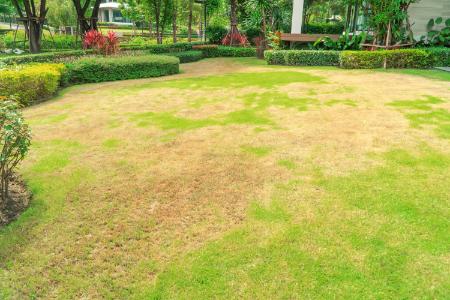
Many homeowners in , GA, do not realize grubs are damaging their turf until large brown patches appear. By that point, the roots are often chewed away, and recovery gets harder. This guide from Smith Turf Management explains how grubs operate in our climate, the subtle red flags you can observe during day-to-day yard time, and how professional insect and grub control safeguards your lawn as part of a complete weed control lawn care program.
Why Grubs Thrive In , GA
White grubs are the larvae of several beetles common across North Georgia. They live in the soil and feed on turfgrass roots. Our area's warm, humid summers and mild falls help these larvae grow fast, especially in irrigated lawns found around neighborhoods like St Ives, Medlock Bridge, Rivermont, and near Autrey Mill. Well-watered turf, full sun, and nutrient-rich red clay make a perfect buffet for root-feeding insects.
In many yards, the first feeding rush happens late summer into early fall, then again as soil warms in spring. That timing makes damage easy to miss because top growth can stay green for a while, even as roots quietly shrink underground.
Early Warning Signs You Can See Above Ground
You do not need to dig or treat anything yourself to suspect grub activity. Pay attention to patterns that stand out during regular mowing and watering. The signs below are not instructions to fix the issue. They are visual cues that tell you it is time to call a professional.
- Thin, spongy turf in sunny sections that get regular irrigation, especially near sidewalks and driveways, where soil warms faster.
- Birds pecking the same spots each morning or fresh animal scratching overnight, often from skunks, raccoons, or armadillos seeking grubs.
- Wilting areas by midafternoon that do not bounce back after normal watering, even when the surrounding grass looks fine.
- Footprints or mower tracks that linger, because weakened roots cannot spring back.
Pros in often notice that damaged sections feel less anchored. Large pieces may lift more easily during inspection because roots are short or gone. We do not recommend attempting this yourself; it is simply one of the signs our technicians look for during a visit.
What Grubs Do Underground to Your Lawn
Grubs feed where the plant stores energy, right at the root zone. As they chew through fine roots, grass loses its ability to take up water and nutrients. At first, the lawn may look slightly dull or uneven. Then, a stretch of hot days in August or September pulls moisture faster than weakened roots can supply it. That is when browning patches show up and spread.
When spring returns, surviving grubs resume feeding until they pupate and emerge as adult beetles. New eggs restart the cycle. Without proactive control, the problem usually grows year over year because stressed turf invites more issues, including weeds that thrive in thin, open soil.
Brown Patches: Grubs Or Something Else?
Not every brown area is caused by insects. Fungal diseases like brown patch and dollar spot are also common in 's humid summer weather. So are irrigation coverage gaps and heat stress on slopes facing the sun. Here is how professional teams tell the difference during an on-site evaluation:
- Grub damage usually starts in the sunniest, best-irrigated turf and may peel up more easily because roots are shortened.
- Fungal issues often show distinct shapes or borders, sometimes with a smoky halo in the morning, and roots remain present.
- Irrigation problems create repeated patterns that line up with sprinkler throw or blocked heads.
Brown patches that spread after a short heat wave can mask root feeding that started weeks earlier. Correct identification prevents wasted effort and gets your lawn on a steady recovery plan.
How Insect & Grub Control Fits Into Weed Control Lawn Care
Healthy lawns fight back against weeds and stress. That is why insect and grub control works best as part of a complete weed-control lawn-care program. When nutrition, soil pH, weed prevention, and insect protection are all aligned, turf builds deeper roots and fills in faster after stress. Thicker grass shades the soil, making it harder for weeds to invade the thin spots left behind by root-feeders.
At Smith Turf Management, our programs are timed for 's growing season. We focus on prevention during key life stages of common beetles and monitor pressure throughout the year. Preventive timing is more dependable than chasing damage after it appears. Curative options exist, but early action saves more of the root system and preserves color and density.
Timing That Matches 's Seasons
In North Fulton and nearby Gwinnett, adult beetles often fly and lay eggs in early to mid-summer. Eggs hatch as the soil stays warm, and larvae feed into fall. In mild winters, they rest deeper, then feed again as temperatures rise. The best control windows anticipate these stages, building a protective layer before root damage accelerates.
Neighborhood Patterns We See Around
Different areas show different pressure. Lawns near open green spaces, river corridors, and golf fairways can attract more adult beetles. Subdivisions with mature trees and landscaped beds give beetles shelter and warmth, which supports egg-laying nearby. High-end irrigated turf in places like St Ives and Rivermont may look perfect on top, while grubs steadily reduce the root mass underneath.
New sod in building phases around Shakerag and near Medlock Bridge Road can be attractive to beetles once roots start to knit into the soil. Do not assume new turf is safe until a professional program covers that first full season.
What A Professional Inspection Includes
A trained technician assesses the whole picture, not just a single brown spot. We review sunlight patterns, irrigation coverage, mowing height, thatch depth, and recent weather. Then we evaluate the soil layer and root density at several locations to determine whether root-feeding insects are the driver or whether disease or drought is to blame.
Once confirmed, we match product type and timing to life stage and site conditions. We choose materials and rates based on turf species common here, such as bermudagrass, zoysiagrass, and fescue, in shaded sections. Targeted applications protect roots without encouraging weed breakthroughs elsewhere in the program.
Recovery: What To Expect After Treatment
When grubs are controlled, recovery depends on how much root system remains and what season we catch them. Warm-season grasses like Bermuda and Zoysia fill in faster as the soil warms. Fescue usually rebounds with careful maintenance and seasonally timed seeding by a professional, if needed. Your lawn's rebound also hinges on irrigation coverage, mowing height, and nutrient support inside your weed control lawn care plan.
Even with quick action, large dead patches might need professional renovation. The goal is to fix the cause first, so new grass is not attacked again. That is why our team pairs insect protection with pre- and post-emergent weed control strategies, nutrient timing, and soil health steps for 's red clay soils.
Common Myths That Slow Down Real Solutions
We hear a few beliefs that delay proper care:
"If I water more, the brown spot will go away." Extra water cannot replace missing roots, and saturated soil can invite disease.
"If animals are digging, they are the only problem." The digging is a symptom. The food source beneath the turf is the larger issue.
"I will wait to see if it spreads." Waiting often turns a small repair into a wide renovation once the heat arrives.
Protecting High-Value Areas In Your Lawn
Some sections deserve extra attention in yards:
Sun-baked fronts along Old Alabama Road and State Bridge Road often warm early and invite beetle activity. Backyards near tree lines hold moisture and stay attractive later into fall. Sports areas where kids play, and pets run, get compacted, which stresses roots and makes grub feeding more noticeable. A professional plan weighs these zones so protection matches the risk.
How Smith Turf Management Helps Homeowners In , GA
Our local team understands how fast small warning signs can turn into costly lawn decline. We time preventive applications to local insect cycles, verify what is happening in your soil, and integrate protection into a weed-control lawn-care program that keeps turf dense and resilient. You get one connected strategy rather than piecemeal fixes.
If you suspect early grub activity or see browning after a stretch of hot days, talk with our team. We will inspect, identify the cause, and outline the right steps to protect your investment.
Ready To Stop Grub Damage Before It Spreads?
Catch problems early and protect the roots that hold your lawn together. Call Smith Turf Management at 770-501-3996 to schedule your professional evaluation in , GA. Our approach blends insect and grub control with a comprehensive weed-control lawn-care program so your turf stays thick, green, and ready for the long Georgia summer. We're the top choice in for weed control lawn care.