Why Pre-Emergent Weed Control Matters for Lawns in
Pre-emergent weed control in is all about timing and prevention. Our warm springs and long summers can turn one missed window into months of crabgrass and other eyesores. When you plan ahead, you keep weeds from breaking through the soil and stealing water, light, and nutrients from your grass.
At Smith Turf Management, we build a season-long barrier against the most persistent invaders in North Fulton. A well-timed program keeps lawns in neighborhoods like Medlock Bridge, Seven Oaks, Rivermont, and St Ives looking clean and uniform from spring through fall. If you want a head start on the season, our weed-control lawn-care program is designed for 's weather and soil.
How Pre-Emergent Weed Control Works
Pre-emergents form a thin protective layer on the top of the soil. When a weed seed begins to germinate, that layer stops the young root from developing. The seed never becomes a plant, so it never competes with your grass.
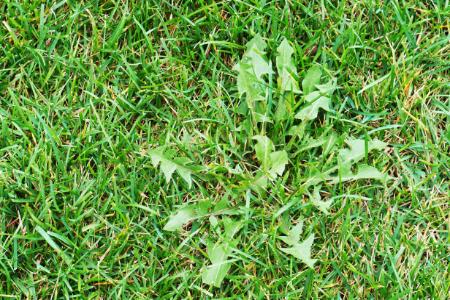
Pre-emergents stop weeds before they sprout; they do not kill weeds you can already see. That's why planning matters more than anything. Once crabgrass or goosegrass is up and growing, treatment is harder and less predictable. Prevention is simply more reliable and gives your lawn room to thrive.
Seasonal Weed Cycles In , GA
sits in a transition zone, so we see both warm-season and cool-season weed pressure. Summer annuals like crabgrass and goosegrass germinate as soils warm in late winter and early spring. Winter annuals such as annual bluegrass, chickweed, and henbit sprout in fall and persist through late winter into spring.
- Spring and Summer: Crabgrass, goosegrass, spurge, and sedges gain speed as days heat up and afternoon storms roll through.
- Fall and Winter: Annual bluegrass (Poa annua), chickweed, and henbit pop in thin turf or along sidewalks and driveways.
A smart schedule in targets both seasons. That means a spring barrier for summer weeds and a fall barrier for winter weeds. In thicker turf, the barrier does most of the work. In thinner spots, pro spot-treatments finish the job.
Timing Is Everything In
Crabgrass doesn't read the calendar. It responds to soil temperature and sun exposure. Sunny, south-facing slopes and edges near hardscape warm first, so those areas are the earliest risk zones. Shaded lawns near the Chattahoochee or in tree-lined cul-de-sacs often lag by a week or two.
Crabgrass seeds begin to germinate as soil temperatures hold near the mid-50s for several days. In our area, that can happen earlier than many homeowners expect, especially after a warm late winter. A professional plan accounts for these swings and adjusts application timing to protect the entire lawn, not just the average spot.
If you are researching options, start with a clear overview of pre-emergent weed control in to understand what to expect in our climate and neighborhoods.
Why DIY Products Often Miss The Mark
Many retail products look simple, yet the results depend on timing, coverage, lawn type, and recent weather. Cutting corners on any of these can leave open gaps that weeds exploit. Here are the most common pitfalls we see around :
- Mis-timed applications after the first warm spell, so early crabgrass escapes.
- Uneven coverage along driveways, street curbs, and sidewalk edges where heat radiates, and weeds germinate first.
- Skipping the follow-up window that extends protection through late summer dry-downs.
- Using the wrong product blend for Bermuda, zoysia, or tall fescue lawns is common in our area.
Skipping the second application invites late-summer breakouts. By the time you notice, weeds are mature and tougher to manage. A consistent, professional rhythm keeps pressure low from the start.
Local insight: South- and west-facing front yards in often warm a week faster than shaded lots along the river. That early warm-up can trigger spotty germination before most people expect. A split-timing plan protects both early and late zones.
Matching Strategy To Your Lawn Type
lawns vary by neighborhood. Many front yards use Bermuda or zoysia for a dense, summer-green look. Others prefer tall fescue for shade. Each responds a bit differently to heat and traffic, and each faces slightly different weed pressure.
A tailored plan takes turf type, irrigation, slope, and shade into account. Edges near driveways in Seven Oaks might need extra attention, while shady backyards off Old Alabama Road may need a tuned fall barrier for winter annuals. The goal is the same: stop weeds at the soil line and maintain a healthy, uniform stand of grass.
Soil, Rain, And 's Red Clay
Our red clay holds nutrients well but can compact under foot traffic, which opens thin spots where weeds thrive. Spring showers also matter. A well-timed rain can help set the protective layer. Heavy storms can dilute protection on steep slopes if the lawn is thin.
Your technician evaluates these factors and adjusts your plan. Steeper front lawns near Medlock Bridge or cul-de-sacs with pooling water might require additional evaluation to ensure the barrier remains consistent from the curb to the fence line.
How A Professional Weed Control Lawn Care Program Prevents Outbreaks
Results come from the process, not from a single product. Here is what a strong professional approach focuses on throughout the year:
Pre-emergents are not used on newly seeded lawns; your technician will adjust the plan to protect fresh grass. That kind of judgment is what keeps a lawn on track without setbacks. From there, the program centers on prevention and targeted post-emergent cleanups only when needed.
Our team watches soil temperatures, recent weather, and local microclimates across . That means the barrier goes down before high-risk windows and is refreshed as the season shifts. When thin areas appear, selective treatments reduce pressure before weeds gain a foothold. The outcome is a lawn that stays cleaner longer, with less stress on the turf.
What Pre-Emergent Stops — And What It Doesn't
It helps to think of pre-emergents like a screen door for your soil. Fine particles pass through, but big pests can't. The barrier lets water and nutrients move while blocking germinating weed seedlings. It doesn't remove established weeds, and it doesn't fix bare soil or provide shade from trees.
That is why a prevention-first plan is paired with good mowing, watering, and seasonal nutrition. Healthier grass covers the soil, leaving fewer places for weeds to sneak in. Professional monitoring keeps that balance steady from early spring to late fall.
Neighborhood Hotspots And Edge Zones
Warm edges along sidewalks, expanded driveways, and pool decks are classic trouble spots in communities. These hardscaping borders retain heat and raise soil temperatures earlier than the center of the lawn. Curbs near Medlock Bridge Road and street corners in Walk are also frequent starting points for breakout patches.
A strong program pays extra attention to these seams. The barrier must be even and complete for the full yard to stay clean. That kind of detail work is where pros earn their keep, season after season.
Measuring Success The Right Way
The real test of pre-emergent weed control is simple: fewer weeds every month, less need for rescue treatments, and thicker turf from curb to back fence. You should notice cleaner lines along sidewalks, fewer scattered clumps in summer, and less winter green from annual bluegrass in shady areas.
When the barrier is in place on time, your lawn spends its energy on growth, not competition. That means a neater look, easier mowing, and more time enjoying the yard instead of worrying about it.
Partner With A Local Team That Knows
Choosing a local partner means your plan reflects the way our weather actually behaves. Early warm spells, quick cold snaps, and sudden downpours are part of life here. A -focused schedule accounts for them and keeps your lawn protected without guesswork.
If you want prevention handled the right way, explore our approach to a season-long weed control service that blocks weeds before they start and supports healthy, dense turf.
Protect Your Lawn Before Weeds Start
You deserve a lawn that looks clean and inviting from spring through fall. Put prevention first and let Smith Turf Management lock out crabgrass and other invaders before they sprout. Choose us for expert weed control and lawn care. Call us at 770-501-3996 or use our online scheduler to schedule weed control in today.