
Why Some Lawns in , GA Always Have Weeds (And How Weed Control Fixes It)
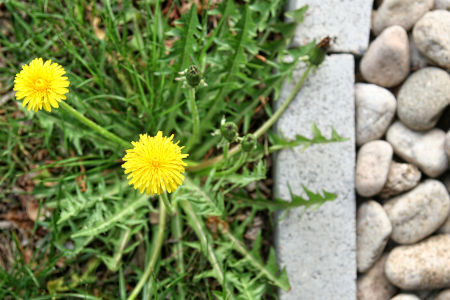
If your yard seems to sprout new weeds every week, you are not alone. sits in North Georgia's transition zone, where hot summers, cool winters, and clay-heavy soils create perfect openings for invaders like crabgrass, spurge, clover, kyllinga, and poa annua. When turf is thin, compacted, or stressed, weeds rush in. This guide explains the real reasons they keep returning and how consistent, professional weed control lawn care helps your grass grow so thick that weeds struggle to survive.
What Makes Weeds Keep Coming Back In
Weeds are symptoms. They show up when the lawn has bare soil, weak roots, or inconsistent care. In neighborhoods, we see the same pattern: heavy foot traffic and mower wheels compact the top few inches of clay, roots stay shallow, and thin turf leaves sunlight and space for weed seeds to germinate. Add humid summers with pop-up storms, and you have a recipe for constant outbreaks.
Weeds thrive where grass is thin, stressed, or shaded for long parts of the day. If parts of your yard stay damp, expect nutsedge and kyllinga. If the front lawn bakes in full sun and goes off schedule for treatments, crabgrass can colonize quickly.
The Role Of Compacted Soil And Weak Turf
North Georgia clay holds nutrients well, but it also compacts easily. Compaction limits oxygen and water movement, which limits root growth. Shallow roots cannot out-compete aggressive weeds. Over time, this becomes a loop: thin turf allows more sunlight to reach the soil, more weed seeds sprout, and the lawn looks patchy by midsummer.
Professional lawn programs break the loop by timing pre-emergent barriers before major germination windows and supporting the grass with balanced fertilization. When the turf thickens, weeds lose light and space.
Mowing Habits That Invite Weeds
Cutting too short, letting the lawn get too tall between cuts, or mowing with dull blades all stress the turf. Stressed grass produces fewer tillers, resulting in fewer blades and lower density. Lower density equals more gaps. Those gaps are weed nurseries.
Consistent, seasonally appropriate mowing supports a thicker canopy that shades out weed seedlings. Your lawn care team can match mowing to your grass type and the season, so the turf grows stronger instead of weaker.
Fertilization That Works With Our Climate
Feeding the lawn at the wrong time or with the wrong balance can do more harm than good. The goal is steady growth, not growth spurts. In the area, programs are built around the growth cycles of warm-season grasses like Bermuda and Zoysia and cool-season fescue in shaded areas. Balanced nutrition helps your grass out-compete weeds for water, light, and space.
Well-timed nutrition also supports recovery after stress. After a hot, dry spell or a soggy week, roots need reserves. Healthy roots mean fewer bare spots where weeds can move in.
Why Consistent Weed Control Lawn Care Pays Off
One-time treatments are like putting a bucket under a roof leak. They help for a moment, but the problem returns. A year-round program layers prevention and correction at the right times so the lawn keeps its advantage.
- Pre-emergent applications create a protective barrier before prime germination seasons.
- Targeted post-emergent treatments remove the weeds that slip through without harming healthy turf.
- Fertilization supports thick growth, so fewer seeds find soil and sunlight.
When you pair steady nutrition with timely herbicides, the lawn closes ranks. The result is fewer visible weeds each season and grass that holds color and density longer.
Seasonal Weed Pressure In , GA
The calendar matters because different weeds germinate at different times. Spring and early summer favor crabgrass and spurge. Mid to late summer invites kyllinga and nutsedge in wetter pockets. As nights cool, winter annuals like Poa annua sneak in. Missing one preventive window can mean months of hand-to-hand combat later.
If your current plan only treats what you can see, it will always feel like catch-up. A comprehensive approach includes pre-emergents before each wave and selective post-emergents for the surprises that break through.
Drainage, Shade, And Traffic: Small Issues With Big Impact
Poor drainage along downspouts, shaded corners by fences, or a backyard path where kids and pets play will all change which weeds show up. Thin fescue in dense shade invites broadleaf weeds. Constantly wet strips along hardscape invite sedges.
- Standing water or soggy soil usually indicates sedge and moisture-loving invaders.
- Heavy foot traffic compacts soil and opens bare patches where fast-germinating weeds take hold.
Fixing the pattern that attracts a weed is as important as removing the weed you see today. That is why lawn assessments look at light, water, and traffic, along with plant health.
How Professional Programs Stop The Cycle
The right plan is simple to follow but technical under the hood. Your team times pre-emergent applications based on soil warming trends, scouts for early escapes, and applies selective post-emergents only where needed. They also pace fertilization so the grass fills in steadily instead of surging and thinning.
When you are ready to get proactive, learn how a local program focuses on targeted weed control while building turf density for long-term results. The goal is not just fewer weeds next month. It is a lawn that naturally resists weeds all year in 's climate.
What Makes Lawns Different
Our area's clay soils compact faster than sandy soils. Summer heat arrives quickly, yet cool snaps still visit in fall and winter. That mix favors different weeds at different times. It also means the plan for a lawn should not mirror a plan from the coast or the mountains.
Programs that work here fold in local timing, from early-season prevention to late-season cleanup. If you want a deeper overview of local services and scheduling, start at the Smith Turf Management home page under weed control lawn care in , GA, to see how everything fits together across the year.
Stronger Turf Means Fewer Weeds
Weeds do not need much to take over. A thin, hungry lawn gives them everything they want. That is why comprehensive lawn care feels different than piecemeal spraying. It does not just chase weeds. It upgrades the growing conditions so your grass becomes the bully on the block.
Thick, healthy grass is the most reliable weed prevention you can buy. With layered prevention and professional care, the lawn shades the soil, blocks seedlings, and keeps color longer through weather swings.
How Smith Turf Management Tackles Recurring Weeds
Smith Turf Management focuses on root-level health and seasonally timed applications. Your technician evaluates shade, drainage, mowing patterns, and traffic, then builds a program that applies herbicides only where needed and feeds turf at the right pace. If a stubborn patch keeps recurring, we adjust the plan at the next visit rather than waiting for the next season.
Curious what that looks like in practice? Read more about our approach to weed control services and how we time treatments around 's seasons to reduce outbreaks before they start.
Ready For A Lawn That Fights Back
Weeds do not have to be a yearly headache. With a steady plan that prevents, targets, and strengthens, your lawn can do most of the work for you. To get started, call Smith Turf Management at 770-501-3996 and ask for a program built for your yard's sun, soil, and traffic. Our team will schedule a visit, explain the steps, and map out the first few milestones so you know exactly what to expect.
If constant weeds have you stuck in a loop, choose a partner who treats the cause and the symptoms. A seasonally tuned plan anchored by professional weed control, healthy mowing practices, and balanced fertilization is the fastest path to a lawn that stays thick and green. Contact us when you need weed control in .