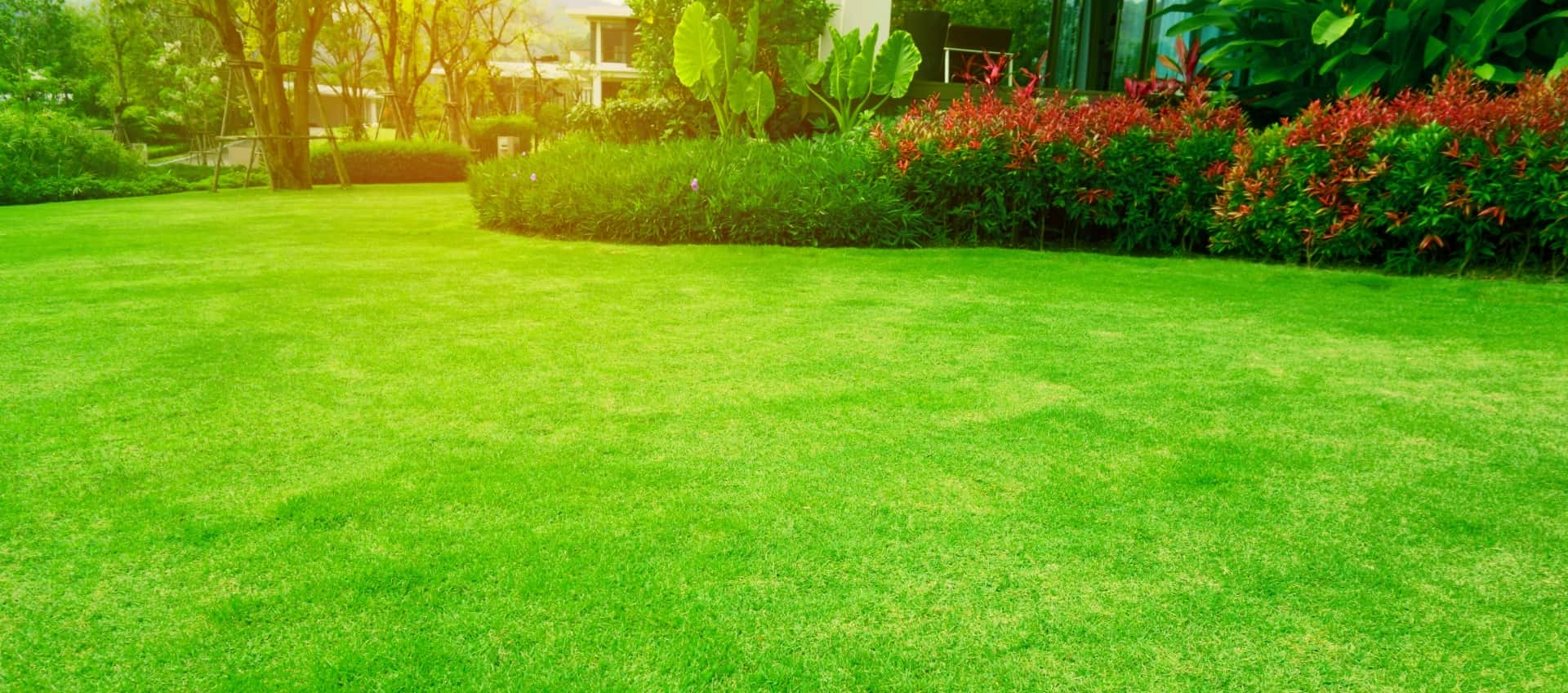
Fertilizing Your Lawn in Summer: What Works (and What Doesn’t)

Summer lawn fertilization Georgia is different from what you might read for cooler states. In , heat, humidity, and pop-up storms change how warm-season grasses behave. If you want steady color without stress, the key is a calm, science-first plan that puts plant health ahead of quick surges. That is the approach we use at Smith Turf Management, and it is why many neighbors across Medlock Bridge, St Ives, and Rivermont stick with a consistent program instead of stop-and-go feeding.
Why Summer Fertilization Works for Warm-Season Lawns in
Bermuda and Zoysia love warm soil. When nights stay mild and days push into the 80s and 90s, these grasses are in their peak growth window. Well-timed nutrition supports deeper roots, thicker density, and the kind of even color that makes a yard look finished. A steady plan also helps turf recover after backyard traffic, pets, and kids playing near Morton Road Park or along State Bridge Road.
If you are comparing options, a professional lawn fertilization plan focuses on two goals: consistent growth without surge and protection from heat stress that can creep up after a string of hot afternoons.
Slow-Release vs. Quick-Release: How to Feed Without Burn
Not all fertilizers behave the same once they hit warm soil. Quick-release products push fast top growth. That looks exciting for a week, then stress shows up. Slow-release blends meter nutrients over time so color holds even when the weather swings.
- Slow-release feeding supports roots and density, not just blade length.
- Even delivery means fewer flushes that attract weeds and disease.
- It pairs well with iron and micronutrients for richer summer color.
Big tip: In heat, “less but steady” beats “more all at once.” That rhythm keeps Bermuda and Zoysia strong without inviting burn or weak, leggy growth.
What Not to Do in July and August
Summer in can bring a hot week followed by a thunderstorm. That pattern can magnify fertilizer mistakes. Avoid these traps:
- Chasing quick green-up with heavy, fast-release nitrogen choices.
- Layering different products too close together because the lawn “looks tired.”
- Ignoring edges along sidewalks and driveways where heat radiates and turf is most likely to burn.
Warning: Over-applying in high heat risks leaf scorch and root stress. Once grass is injured, it opens space for weeds to sneak in and set you back for months.
Timing for Bermuda and Zoysia in North Georgia
Warm-season lawns wake up in late spring, then drive hard through summer. That is the window for professional feeding that aims at roots first and color second. Bermuda in sunny front yards and Zoysia around patios respond well to seasonally tuned, slow-release nutrition with periodic micronutrients. Shadier pockets that lean on Fescue are handled differently because cool-season grass prefers fall-heavy nutrition. A one-size-fits-all approach fails when your lawn includes mixed turf.
If you want the full picture of how fertilization ties into a broader plan, this read on why pre-emergent weed control matters shows how timing for weeds and timing for feeding work together to keep the lawn clean and even.
Iron, Micronutrients, and Color in the Heat
Color in midsummer is not only about nitrogen. Iron and key micronutrients help grass hold a deep, even tone when heat could otherwise wash it out. Quick iron sprays can perk color without pushing growth, while granular blends keep the base steady. On sloped yards near Jones Bridge Road or lots with reflective heat off pool decks, a light touch with iron often helps the eye see a uniform lawn line from curb to fence.
Local insight: In , late July soil stays warm even overnight. Slow-release nutrition paired with a light iron touch helps color hold through afternoon storms that might otherwise leach quick-release products. Keep kids and pets off treated areas until they are dry or watered in.
The Role of Aeration and Soil Health
North Georgia’s red clay can compact after a busy season of backyard games and weekly mowing. Compaction slows water and air at the root zone, so fertilizer cannot do its best work. That is where core aeration becomes a smart sidekick to summer feeding. Opening small channels lets roots reach deeper and helps each nutrient do more with less.
Homeowner reminder: Healthy soil is like a savings account. The more air and structure it has, the more your lawn can withdraw during heat waves without losing color or density.
Heat, Rain, and Microclimates: How Weather Changes the Plan
Our city sits in a transition zone. Sunny streets like Old Alabama Road warm up first, while tree-lined cul-de-sacs near the river stay cooler and damper. That means a feeding schedule should flex by microclimate. Turf along hot concrete often needs gentler rates and careful timing. Shadier backyards may lean on micronutrient bumps to maintain color without forcing growth in softer soil.
When storms roll through, even coverage and product choice matter. Heavy downpours can move quick-release nutrients. Slow-release pellets and well-timed visits keep the program on track so color does not swing from dark green to pale in a single week.
Common Myths About Summer Fertilization You Can Ignore
There is a lot of advice online, and much of it is not built for . Here are a few myths that cause trouble:
“More fertilizer equals more green.” Extra nitrogen in heat leads to soft tissue that invites fungus and burns along hot edges. Steady wins.
“Any blend works for any grass.” Bermuda and Zoysia thrive on a warm-season plan. Shaded fescue areas follow a different calendar. Matching nutrition to lawn type protects results.
“If color fades, double up.” Color fades for many reasons: heat, rain, compaction, or shade. Doubling up without a diagnosis makes problems worse. A pro checks roots, soil, and coverage before adjusting the blend.
How Fertilization Fits with Weed Control and Disease Prevention
Healthy grass competes better, which means fewer weeds each month and fewer bare spots where invaders settle. That is why feeding works best as part of a tuned program that includes timing for pre-emergents in spring and fall, plus targeted post-emergent touch-ups. Curious about hidden stressors? Our blog on early grub damage signs explains why thin areas can spread fast in August if root-feeding insects are active.
Professional Care vs. Guesswork
Every property is a little different. Homes in Seven Oaks face broad sun and heat that bounce off long driveways. Smaller lawns in Rivermont can sit closer to tree lines, which changes moisture and soil temperature. A professional plan looks at turf type, soil condition, microclimate, and recent weather, then sets a schedule that fits your yard instead of an average on a calendar.
If you want a consistent, low-stress outcome, partner with a team that meters nutrients with intention. That is the heart of our approach at Smith Turf Management. We use seasonally smart blends and even application patterns to give you steady color, thicker density, and fewer headaches.
Where Your Summer Plan Starts
The first step is simple: get a clear read on grass type, root depth, and soil health. From there, your schedule focuses on slow-release feeding during active growth, with iron and micronutrients for color support. If you are ready to remove the guesswork, our professional lawn fertilization service ties everything together so you do not have to juggle products or timing.
Ready for Thick, Green Turf All Summer
You want a lawn that looks good every week, not just the day after it turns green. That is why a plan is built around steady nutrition, careful timing, and soil health. When your turf grows dense, it shades the soil, holds color through heat, and shrugs off everyday wear.
Start with a local partner and a plan that fits North Georgia. Many neighbors begin at the home page to explore summer lawn fertilization Georgia strategies and how they connect with other services across the year. If you are ready for dependable results, call 770-501-3996 to talk with a friendly lawn specialist at Smith Turf Management. We will map a simple, season-smart schedule and handle the details so you can enjoy your yard, not manage it.
Want the greener, steadier lawn your neighborhood notices? Lock in a summer plan today with lawn fertilization that respects ’s heat, soil, and weather rhythm. Your grass will thank you all season long.